Robots were unquestionably the dominant theme of H1 2026 at Auki. In the span of 6 months, we went from having 2 humanoids that didn't do much real retail work to 14 humanoid and humanoid-like robots, several of which are nearing deployment-readiness in retail environments. With so many robots, we're pretty sure we've become Hong Kong's biggest robotics lab. As such, we've been establishing ourselves as the epicenter of the robotics community in Hong Kong by hosting regular Robots & Beers nights and opening our doors to other builders.
At the same time, we've stepped up the pace of Cactus pilots, signed a new enterprise client, and started fruitful partnerships with other startups and giants alike.
Let's revisit some highlights from each month:
January
First robotics LOI: We started the year off auspiciously with a signed LOI from a client confirming their intent to pilot robots in their stores.
Silicon Valley networking: Nils went on a networking spree, first at CES and then organizing an invite-only event in SF to talk about physical AI with the most influential founders, VCs, and enthusiasts in the Silicon Valley robotics community.
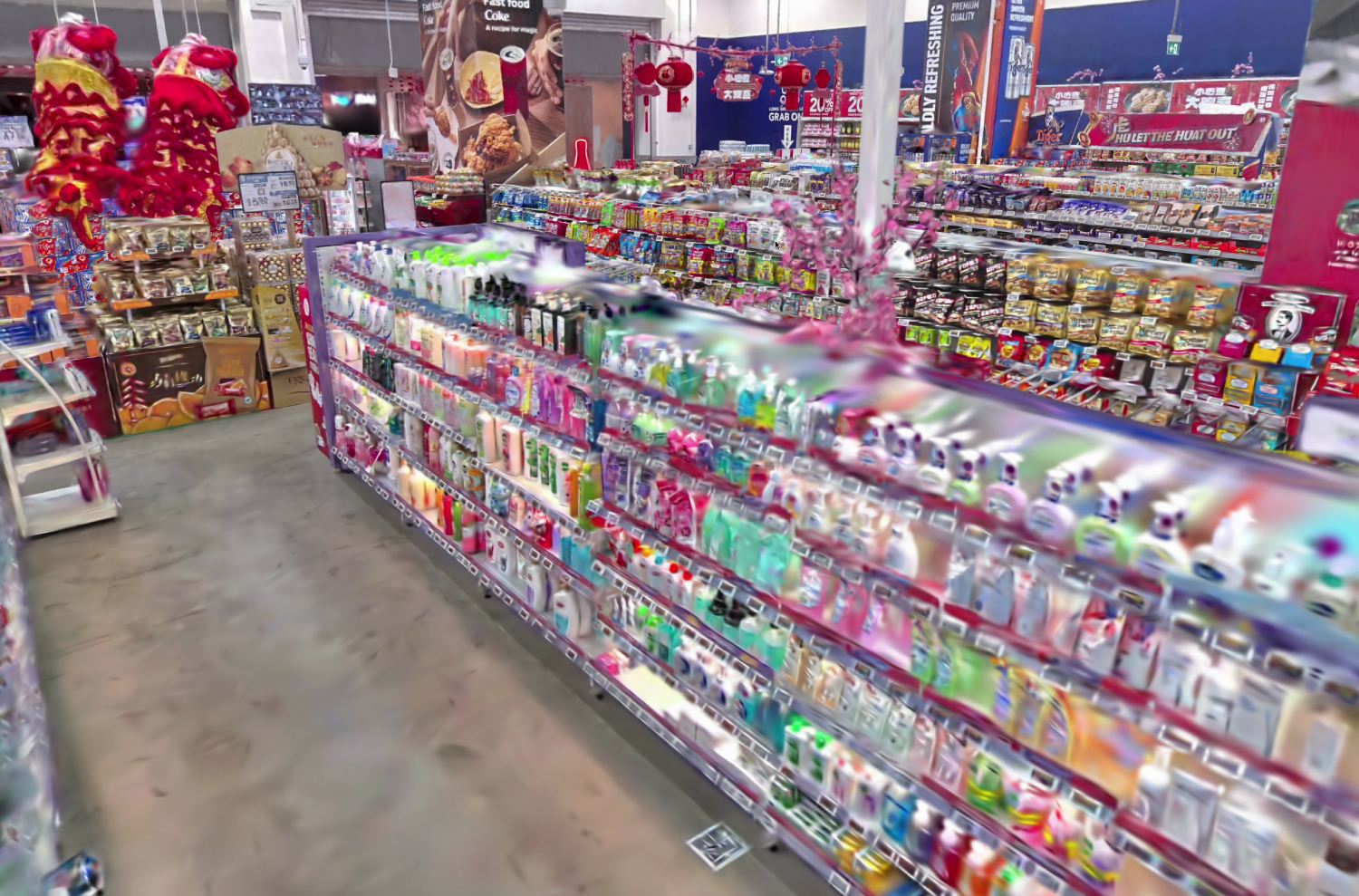
FairPrice pilot: Our first pilot in Singapore began with FairPrice, the country's largest retail chain. We made excellent gaussian splats with the K1 scanner as well as good progress on rendering performance with large splats.
FairPrice gaussian made with the K1 scanner
Hacker House: Builders were always welcome at Auki, but we made it official by turning our robotics lab into a hacker house.
February
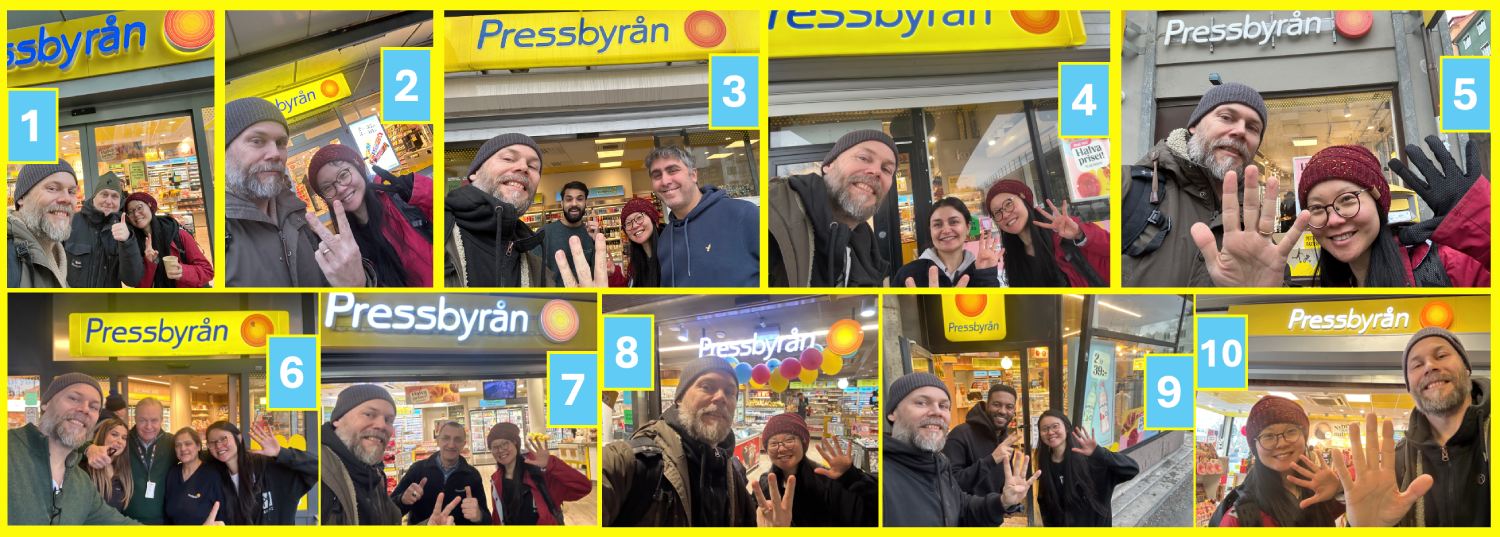
Pressbyrån pilot: The first half of our pilot with Reitan Convenience began with setting up in 10 Pressbyrån stores around Stockholm.
10 Pressbyrån stores in 5 days with 2 people
WebXR on Android: Gotu and McKenna became full WebXR experiences on Android, which is even more seamless than the Instant Apps.
Second enterprise client: After months of piloting, we finally signed an enterprise deal with one of Denmark's largest grocery retailers.
Euroshop: Together with our new partner Bruegmann, a well-established retail shelving brand, we showed off real world web domains and Cactus at the world's biggest retail trade fair.
Gaussian splat of Bruegmann booth at Euroshop
Reconstruction node: Following a successful closed beta period, we finally launched the reconstruction node to our community.
March
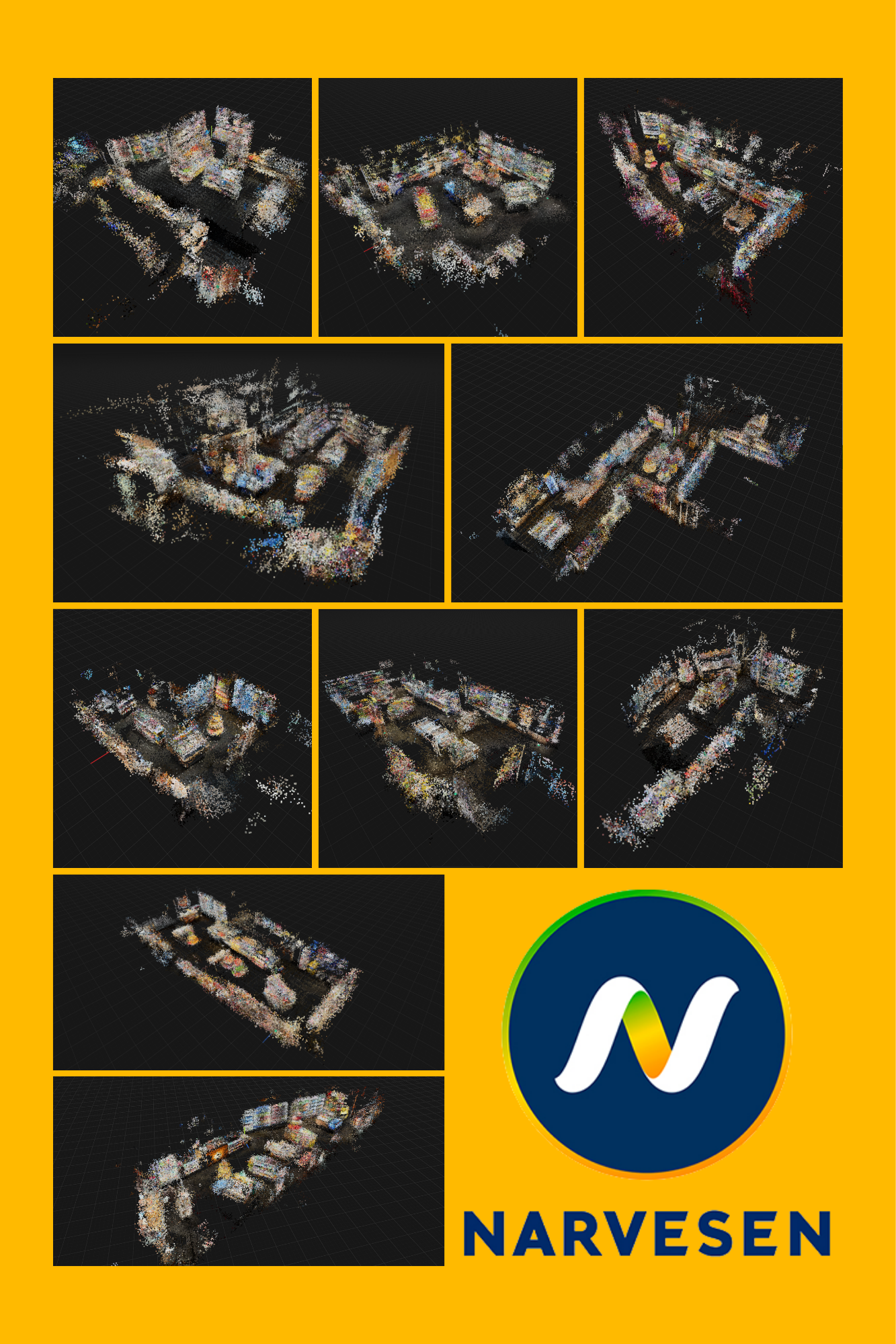
Narvesen pilot: These were our first domains in Norway, and the second half of our Retain Convenience pilot. Like with Pressbyrån the previous month, we set up 10 Narvesen stores around Oslo.
10 Narvesen stores in 4 days with 2 people
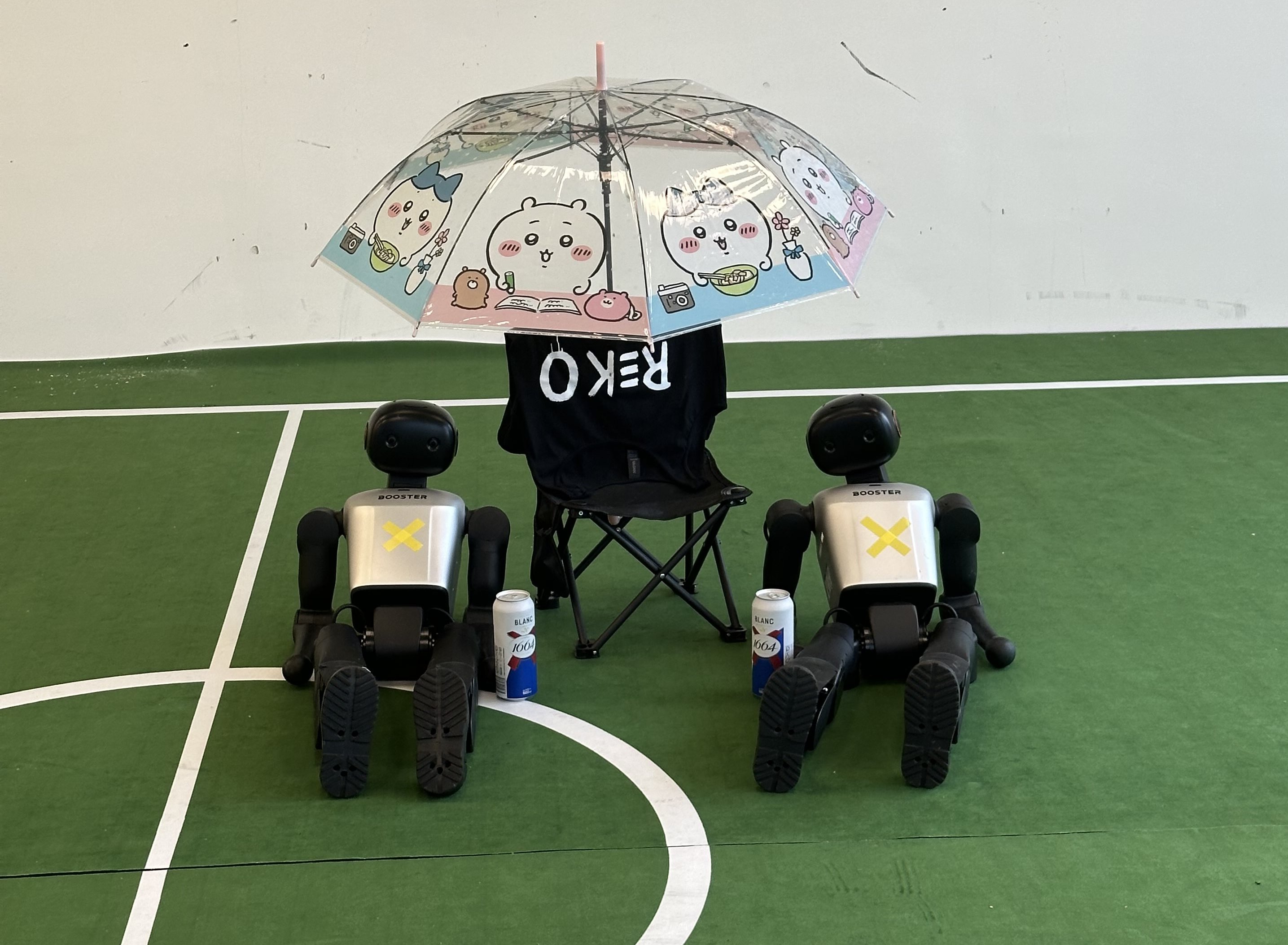
Booster K1s: After getting 6 Boosters to the lab, we had fun setting up a robot soccer pitch and onboarding them to the real world web.
Booster K1s indulging in some pre-game chilling
Splatter node: We open sourced the splatter node and launched it publicly. This one produces photorealistic renders of physical spaces like the one below.
Budbreak: First vineyard on the real world web! Budbreak is all about using robots to do perception tasks in vineyards, namely detecting crop-destroying diseases.
Exploring the first digital twin of a vineyard with our domain viewer
Galbot G1 and Bracketbot: Two very different robots arrived at Auki, both to be evaluated for retail use cases with different types of clients.
April
RealMan RS-02: Barely a week after the Galbot G1's arrival, we received our first RealMan semi-humanoid and onboarded it to the real world web.
Unboxing the RealMan RS-02
InnoEx and Retail Technology Show: InnoEx was our largest domain yet at 20k sqm and 600 booths. We still managed to set up AR navigation for the event in only a day. We also attended Retail Technology Show together with our longtime partner Zappar.
CTRL+R partnership: Teleoperation enables a huge use case with CPGs, so we partnered with CTRL+R who integrated our robots into their teleoperation platform.
Exocortex: In order to better work with AI, we created and open sourced the exocortex — structured external memory and skills for our AI agents.
May
Remote robot soccer: The world's first remote teleoperated soccer game was hosted at Auki in partnership with CTRL+R, featuring players from all over the world controlling our Boosters.
Remote teleoperated robot soccer was rife with chaos and hilarity.
Oneshot: Grant recipient Mika Haak returned to our hacker house and demonstrated that interactive AI instruction manuals running on glasses could double the robot setup speed for new users.
SLAM on glasses: Glasses with limited battery can now offload their spatial compute by streaming video to a domain-side GPU machine and getting back its location.
Auki SDK: We started rebuilding our SDK from scratch to make it easier than ever for any device to connect to the real world web. Naturally, we also open sourced it.
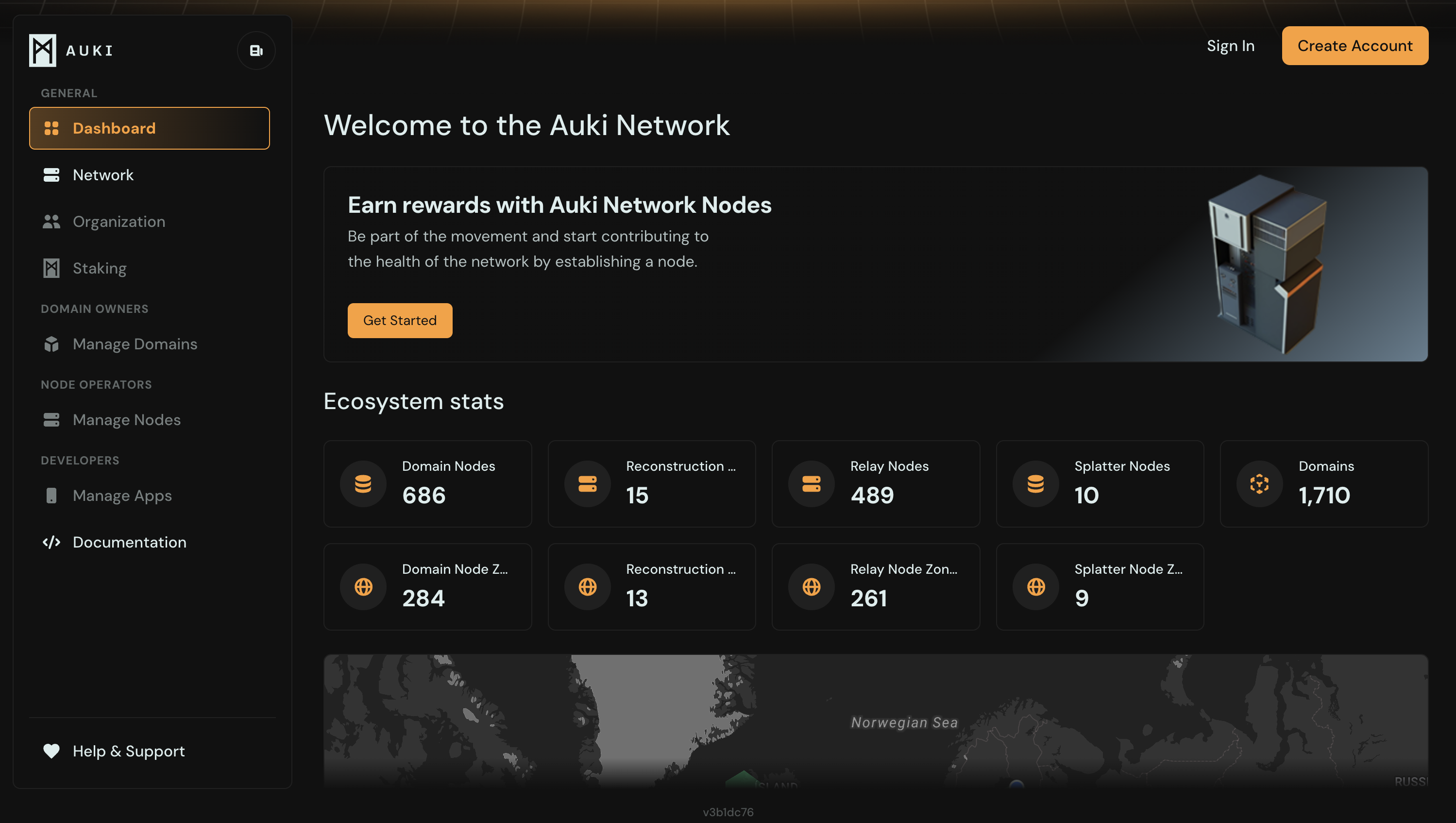
Console redesign: After running for years on an old design, our console for domain owners, node operators, and developers got a much needed facelift and new features.
Auki console redesign
June
Galbot G1 and RealMan: Both the Galbot G1 and the RealMan RS-02 can now scan fixtures autonomously.
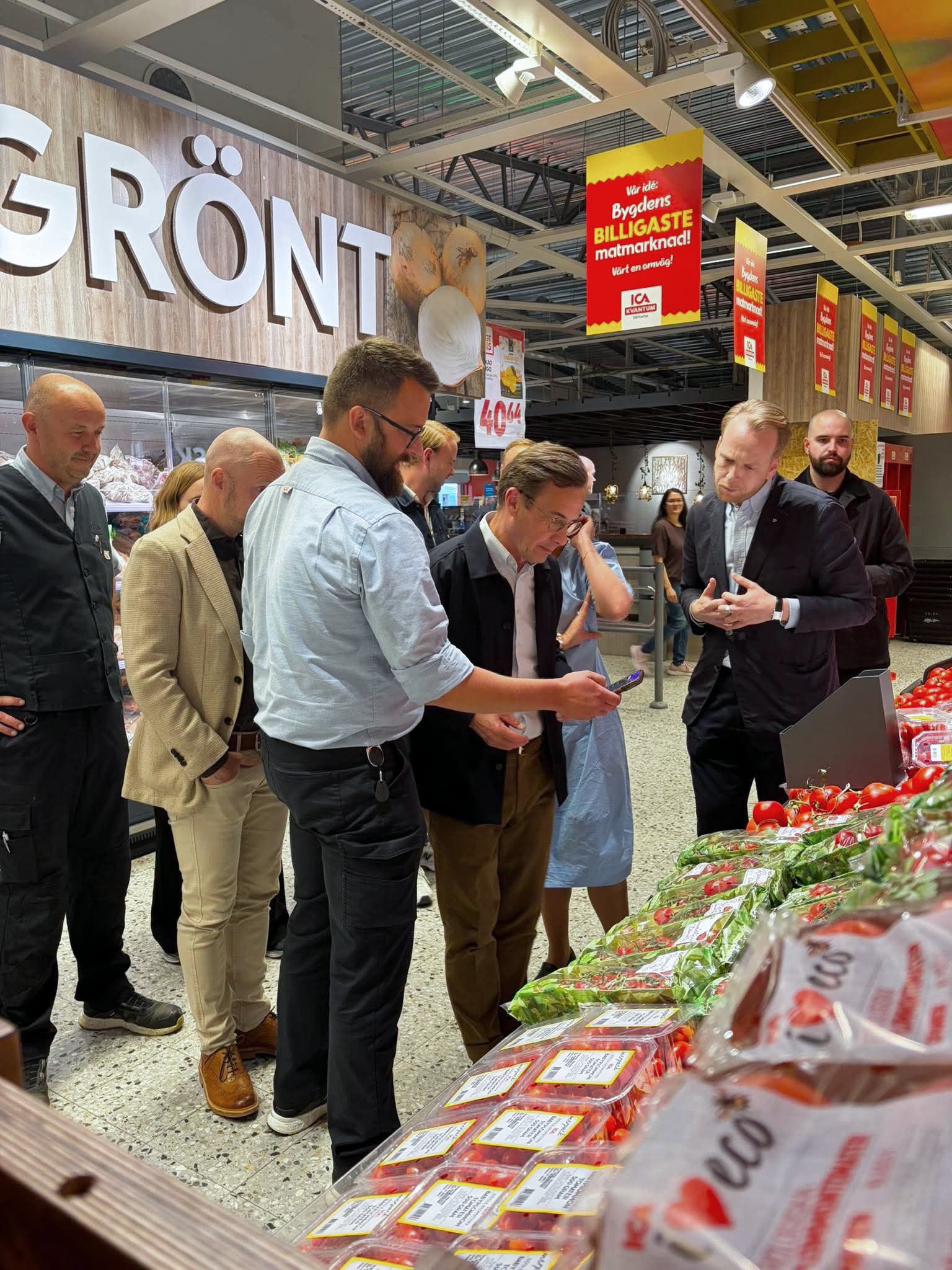
Swedish PM visits ICA: Sweden's prime minister visited ICA, Sweden's largest grocery retailer, and got a live Cactus demo from the store owner.
Swedish Prime Minister learning about Cactus
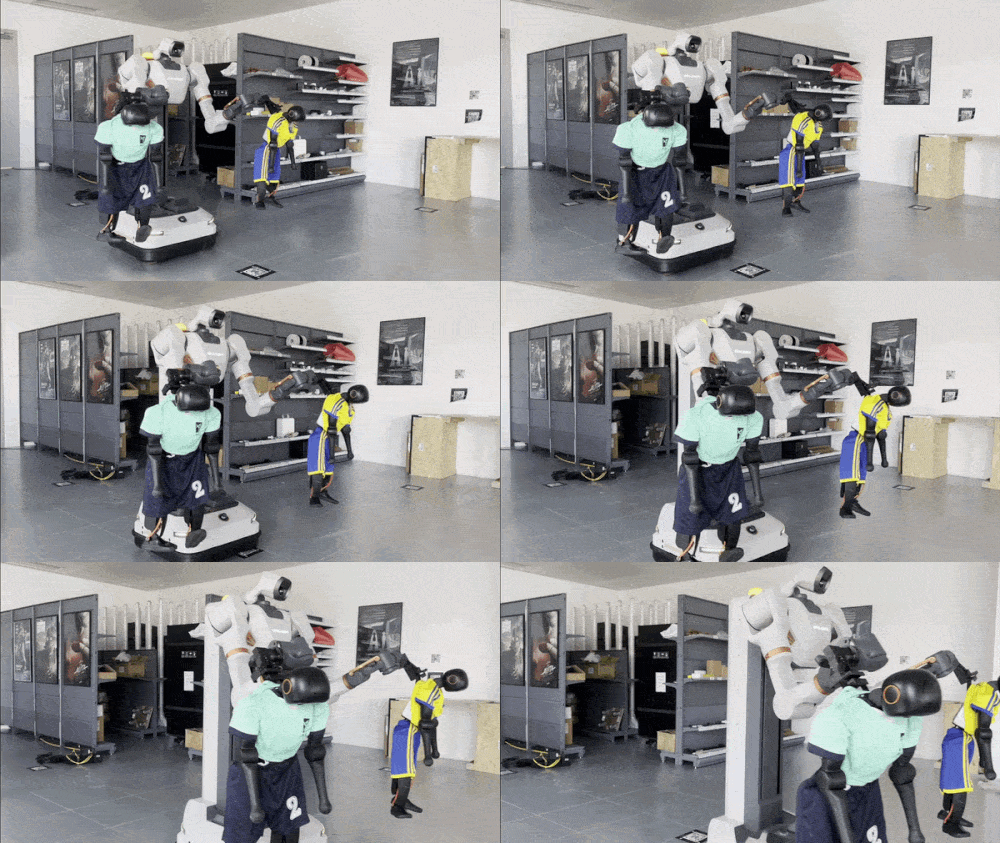
Galbot S1: This beast of a robot weighs 300kg and can lift 20kg per arm. We were given two of them to work on a stealth project with a partner — one is at our lab in HK, and the other is in China at a replica of the target environment.
That wraps up the first half of 2026! We are working harder than ever and shipping faster than ever. Momentum is strong with clients and partners, and we are on track to both sign our third enterprise client and deploy some robots in the second half of the year.
Follow us on X where we post daily updates and do weekly livestreams with the community, and join our Discord to hang out and talk about robots.
About Auki
Auki is making the physical world accessible to AI by building the real world web: a way for robots and digital devices like smart glasses and phones to browse, navigate, and search physical locations.
70% of the world economy is still tied to physical locations and labor, so making the physical world accessible to AI represents a 3X increase in the TAM of AI in general. Auki's goal is to become the decentralized nervous system of AI in the physical world, providing collaborative spatial reasoning for the next 100bn devices on Earth and beyond.

.gif)


.png)